


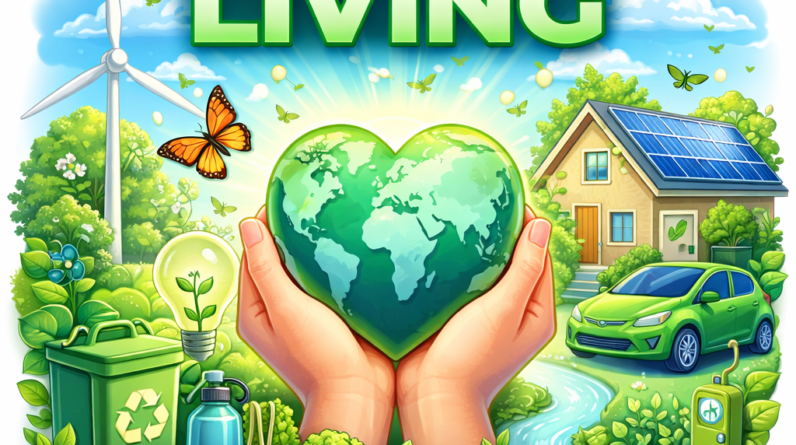
Climate change isn’t a distant threat anymore—it’s here, and it’s showing up in our daily lives through extreme weather, rising costs, and shifting ecosystems. The good news? You don’t need to overhaul your entire lifestyle overnight to make a difference. In fact, the most powerful changes often start with small, intentional choices that compound over time.
This article isn’t about guilt or perfectionism. It’s about practical, achievable steps that fit into real lives—because sustainable living works best when it’s sustainable for you, too. Let’s explore how to build habits that benefit both the planet and your well-being.
Why Your Daily Choices Matter More Than You Think
Individual actions might feel insignificant in the face of global environmental challenges, but research consistently shows that collective small changes drive meaningful impact. When millions of people adjust their consumption patterns, energy use, and waste habits, the cumulative effect becomes substantial.
Consider this: the average American generates about 4.9 pounds of waste daily. If just 10% of the population reduced that by half, we’d prevent over 900,000 tons of waste annually. That’s equivalent to removing thousands of garbage trucks from our roads each year.
Beyond the numbers, there’s a ripple effect. When you adopt sustainable practices, you influence your family, friends, and community. Your choices normalize eco-friendly behaviors and create demand for greener products and services, pushing industries toward more responsible practices.
The Psychology of Sustainable Change: Why Willpower Isn’t Enough
Here’s something most sustainability guides won’t tell you: relying solely on willpower sets you up for burnout. Our brains are wired for habit formation, not constant decision-making. That’s why the most successful sustainable living strategies focus on creating systems and environments that make eco-friendly choices the default option.
Start by identifying your “pain points”—the areas where unsustainable habits cause you the most friction or guilt. Maybe it’s the overflowing recycling bin, the guilt about food waste, or the frustration with high utility bills. Targeting these specific areas gives you motivation that lasts beyond the initial enthusiasm.
Another key principle: make sustainable choices easier than unsustainable ones. Keep reusable bags by the door, store healthy snacks where you can see them, and set up automatic bill payments for green energy options. When good choices require less effort, you’re more likely to stick with them.
Building Sustainable Habits That Actually Stick
The science of habit formation suggests focusing on one change at a time rather than attempting a complete lifestyle overhaul. Here’s a practical framework:
- Start tiny: If you want to reduce plastic use, begin with just one category (like water bottles) rather than eliminating all plastic immediately.
- Attach to existing routines: Add your new habit to something you already do consistently. For example, place your reusable coffee cup next to your keys so you grab it on your way out.
- Track progress visually: Use a simple calendar or app to mark each successful day. Seeing your streak grow provides powerful motivation.
- Plan for setbacks: Missing a day doesn’t mean failure. Have a strategy for getting back on track without guilt.
Beyond the Basics: Sustainable Living for Real People
While recycling and energy conservation are important, truly sustainable living addresses the full lifecycle of our consumption. This means considering not just disposal, but also production, transportation, and the social impact of our choices.
Take clothing as an example. Fast fashion isn’t just about textile waste—it involves water pollution, carbon emissions from shipping, and often exploitative labor practices. But sustainable alternatives don’t have to mean expensive designer brands or DIY everything.
Consider a “quality over quantity” approach: invest in versatile pieces that last years rather than months. Look for natural fibers, timeless styles, and brands with transparent supply chains. Even better, explore secondhand options through thrift stores, clothing swaps, or online marketplaces.
The Hidden Impact of Digital Consumption
Most people don’t realize that our digital lives have a significant environmental footprint. Data centers consume enormous amounts of electricity, and the constant cycle of upgrading devices creates substantial e-waste.
Simple changes here can make a difference: extend the life of your devices by protecting them and repairing rather than replacing, delete unnecessary emails and files (cloud storage still uses energy), and be mindful of streaming quality—HD video uses significantly more data and energy than standard definition.
Food Choices That Nourish Both You and the Planet
Food production accounts for about a quarter of global greenhouse gas emissions. But sustainable eating isn’t about strict dietary rules or expensive organic everything. It’s about making informed choices that work for your circumstances.
Start with food waste—the single most impactful change many households can make. The average family throws away about $1,500 worth of food annually. Simple strategies like meal planning, proper storage, and creative use of leftovers can dramatically reduce this waste while saving money.
When it comes to protein sources, you don’t need to go fully plant-based to make a difference. Even replacing one meat-based meal per week with plant-based options can reduce your carbon footprint significantly. Focus on adding more vegetables, legumes, and whole grains rather than eliminating foods entirely.
Seasonal and Local: The Sweet Spot for Sustainable Eating
Food that’s in season and locally grown typically requires less transportation, storage, and artificial growing conditions. This often means better taste, lower prices, and reduced environmental impact.
Explore farmers markets, community-supported agriculture (CSA) programs, or even growing some of your own herbs and vegetables. These connections to your food sources create appreciation that naturally leads to less waste and more mindful consumption.
Transportation: Rethinking How We Move
Transportation is the largest source of carbon emissions in many countries, but sustainable mobility doesn’t always mean buying an expensive electric vehicle. Consider a hierarchy of options: walk or bike when possible, use public transit, carpool, and only drive when necessary.
For those who need cars, maintenance matters enormously. Proper tire inflation alone can improve fuel efficiency by 3-4%. Combine errands to reduce trips, and consider whether your next vehicle could be more efficient, even if it’s not electric.
Remote work, when available, can dramatically reduce commuting emissions. If your job allows it, even one or two remote days per week can make a substantial difference over time.
Creating a Sustainable Home Environment
Your living space offers numerous opportunities for sustainable improvements, many of which save money in the long run. Energy efficiency is often the lowest-hanging fruit—LED bulbs use about 75% less energy than incandescent ones and last years longer.
Water conservation is another area where small changes add up. Low-flow showerheads and faucet aerators can reduce water use by 30-50% without noticeable difference in performance. Fixing leaks promptly prevents waste and potential damage.
Indoor air quality matters for both health and energy use. Houseplants can improve air quality naturally, while proper ventilation reduces the need for air conditioning. Consider natural cleaning products to avoid introducing harmful chemicals into your home environment.
The Social Dimension of Sustainable Living
Perhaps the most overlooked aspect of sustainable living is its social component. Community gardens, tool libraries, and skill-sharing groups reduce consumption while building connections. When you borrow a neighbor’s drill instead of buying one, you prevent waste and strengthen community ties.
Support businesses and organizations that align with your values, but also recognize that perfection isn’t possible or necessary. The goal is progress, not purity. Every sustainable choice you make contributes to normalizing these behaviors in your community.
Share your journey authentically—not as a lecture, but as an invitation. When friends see you enjoying your reusable coffee cup or your thriving container garden, they’re more likely to ask questions and consider similar changes themselves.
Measuring Progress Without Obsession
Tracking your sustainable living journey can be motivating, but it’s important to maintain perspective. Use simple metrics that matter to you: maybe it’s the reduction in your trash output, the money saved on utilities, or the number of local businesses you support.
Remember that sustainable living is a marathon, not a sprint. Some months you’ll make great progress; others might be more challenging due to life circumstances. The key is maintaining forward momentum over time rather than achieving perfection in any single moment.
Key Takeaways
Sustainable living becomes achievable when you focus on progress over perfection, build systems that make good choices easy, and recognize that small changes compound into significant impact. Start with one area that resonates with you, create supportive habits, and allow your sustainable practices to grow naturally from there. The planet benefits when millions of people make imperfect but consistent efforts rather than a few people achieving zero-waste perfection.
Your journey toward more sustainable living isn’t just about reducing harm—it’s about creating a life that aligns with your values while contributing to a healthier planet for everyone. Every step forward matters, no matter how small it might seem.
