


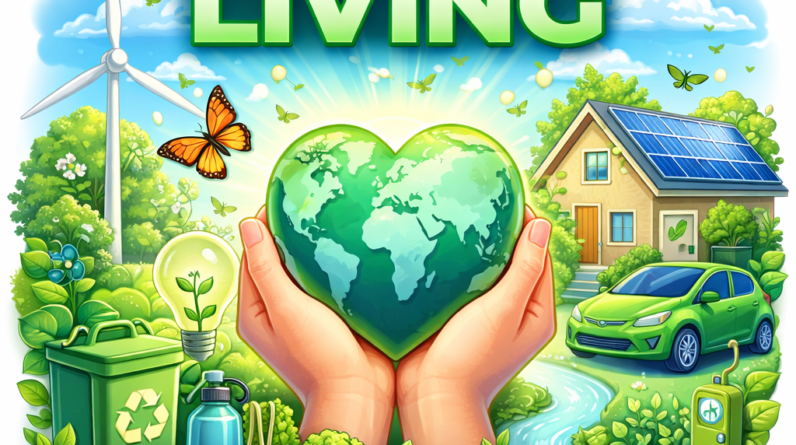
Building Your Sustainable Living Blueprint: Beyond the Basics
When most people think about sustainable living, they imagine swapping plastic bags for reusable ones or remembering to recycle. While these habits matter, they barely scratch the surface of what’s possible. The truth is that sustainable living isn’t about perfection—it’s about creating a personalized system that reduces your environmental impact while actually improving your quality of life.
Think of it like building a house. You wouldn’t start with the roof before laying the foundation. Similarly, the most effective sustainable changes happen when you understand your current impact and build from there. This means looking beyond individual actions to examine how your daily choices connect to larger environmental systems.
Understanding Your Environmental Footprint
Before making changes, it helps to know where you’re starting. Your environmental footprint includes everything from the energy used to power your home to the water consumed in your daily routine. The average American’s carbon footprint is about 16 tons per year, but this varies dramatically based on lifestyle choices.
Consider transportation first. If you drive 30 miles daily in a typical car, you’re burning roughly 400 gallons of gas annually, producing about 3.6 tons of CO2. That’s equivalent to charging 460,000 smartphones. Public transit, carpooling, or biking even a few days per week can cut this significantly.
Your home energy use tells another story. Heating and cooling account for about 50% of home energy consumption. Simple fixes like sealing drafts, using programmable thermostats, and switching to LED bulbs can reduce energy bills by 25% while cutting emissions.
The Hidden Impact of Everyday Choices
Some of the most significant environmental impacts come from choices we rarely think about. Take your digital life: streaming just one hour of video per day produces about 300 kg of CO2 annually—roughly the same as driving 750 miles.
Your diet creates another substantial footprint. Meat production generates about 14.5% of global greenhouse gas emissions. But you don’t need to go fully vegan. Even replacing beef with chicken once a week can reduce your food-related emissions by about 8%. Plant-based meals three times weekly cuts it by over 30%.
Water usage extends far beyond your shower. It takes about 1,800 gallons of water to produce one pound of beef, compared to 216 gallons for a pound of tofu. Your “water footprint” includes everything from the coffee you drink to the jeans you wear.
Creating Systems That Stick
The biggest mistake people make with sustainable living is trying to change everything at once. Instead, focus on building systems that make eco-friendly choices the default. Here’s how:
- Start with your highest-impact area: If you drive a lot, focus on transportation solutions first. If your home uses excessive energy, start there.
- Make it convenient: Keep reusable bags by the door, water bottles in your car, and recycling bins easily accessible.
- Track your progress: Apps like JouleBug or simple spreadsheets help you see how small changes add up over time.
Think in terms of habits rather than goals. Instead of “I’ll reduce my waste by 50%,” try “I’ll bring my lunch in reusable containers three times per week.” The specific goal is easier to achieve and builds momentum for bigger changes.
The Community Multiplier Effect
Your individual actions matter, but their impact multiplies when you involve others. Consider organizing a neighborhood tool-sharing program—one drill used by ten households prevents nine drills from being manufactured. Community gardens can transform unused spaces while building local food resilience.
Workplace initiatives often have outsized impact. If your office switches to double-sided printing, that’s thousands of pages saved annually. Encouraging remote work options even one day per week can cut commuting emissions by 20% for participating employees.
Local policy changes create lasting impact. Attending city council meetings to support bike lanes or improved public transit might seem small, but these infrastructure changes affect thousands of people for decades.
Beyond the Obvious: Unexpected Sustainability Opportunities
Some of the most impactful sustainable choices aren’t the ones you hear about most often. For instance, extending the life of your electronics by just one year reduces their lifetime environmental impact by about 30%. This means repairing instead of replacing, using protective cases, and keeping software updated.
Your banking choices matter more than you might think. Many major banks invest heavily in fossil fuels. Switching to a credit union or bank with strong environmental policies helps redirect capital toward sustainable initiatives.
Even your leisure activities can be more sustainable. Instead of buying new camping gear, rent equipment or buy used. Choose staycations or train travel over flights when possible. These choices often enhance rather than diminish your experiences.
Measuring What Matters
How do you know if your efforts are working? While perfect measurement is impossible, some indicators help track progress:
- Utility bills: Lower energy and water bills indicate reduced consumption
- Trash output: Noticeably less garbage suggests successful waste reduction
- Transportation changes: More walking, biking, or public transit use shows progress
- Food choices: More plant-based meals indicate dietary shifts
The key is consistency over perfection. Missing a recycling day or forgetting your reusable bags doesn’t erase your progress. Sustainable living is a journey, not a destination.
The Financial Side of Sustainability
Many sustainable choices actually save money long-term. LED bulbs cost more upfront but save $75-100 over their lifetime. Energy-efficient appliances might cost 20% more but often pay for themselves through utility savings within 2-3 years.
Some investments require patience. Solar panels might take 7-10 years to pay off but then provide free electricity for decades. Electric vehicles have higher upfront costs but lower maintenance and fuel expenses over time.
Start with no-cost changes: adjusting thermostats, air-drying clothes, reducing water heater temperature. These require no investment but can cut utility bills by 10-15% immediately.
Looking Forward: Building Resilience
Climate change is already affecting our lives through extreme weather, rising costs, and supply chain disruptions. Sustainable living isn’t just about helping the planet—it’s about building personal and community resilience.
Growing some of your own food, even herbs on a windowsill, connects you to food systems while providing security. Learning basic repair skills reduces waste while building self-reliance. Supporting local businesses strengthens community economic resilience.
The most sustainable choice is often the one that makes your life better while reducing harm. When sustainable living enhances rather than restricts your life, it becomes something you want to continue rather than something you feel obligated to do.
Remember that every sustainable choice sends a signal to businesses and policymakers. When enough people choose reusable products, companies invest in better alternatives. When communities demand better public transit, cities respond. Your individual actions, combined with millions of others, create the systemic change we need.
The path to sustainable living isn’t about sacrifice—it’s about creating a life that works better for you and the planet. Start where you are, build systems that work for your life, and remember that progress matters more than perfection. The planet needs millions of people doing sustainable living imperfectly, not a handful doing it perfectly.
Key Takeaways
- Focus on your highest-impact areas first rather than trying to change everything at once
- Build systems and habits that make sustainable choices the default option
- Remember that community action multiplies individual impact exponentially
- Track progress through practical indicators like utility bills and waste reduction
- Many sustainable choices save money long-term while building personal resilience
- Progress matters more than perfection—every sustainable choice creates positive change
