


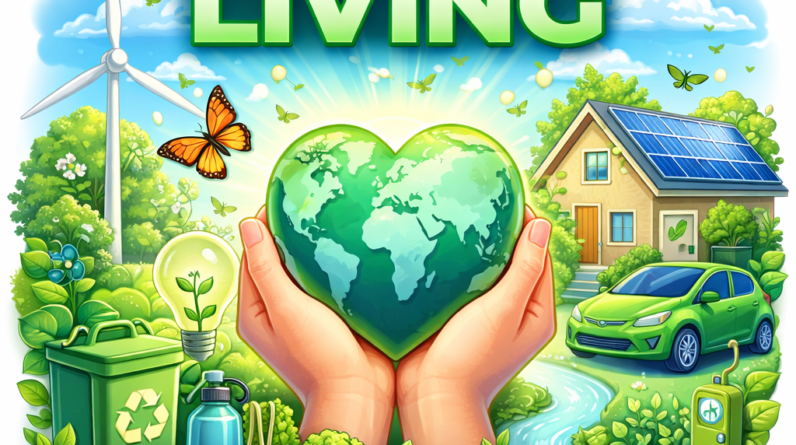
Living sustainably isn’t about perfection—it’s about making better choices consistently. The good news? You don’t need to overhaul your entire life overnight. Small, intentional changes add up to meaningful impact, and 2025 offers fresh opportunities to build habits that benefit both you and the planet.
Why Sustainable Living Matters More Than Ever
Climate change, resource depletion, and waste accumulation aren’t abstract problems—they’re affecting communities worldwide right now. The choices we make daily, from what we eat to how we shop, collectively shape our environmental footprint. The encouraging reality is that individual actions, when multiplied across millions of people, create significant change.
Think of sustainable living as voting with your wallet and your habits. Every time you choose a reusable product over a disposable one, support ethical brands, or reduce energy consumption, you’re casting a vote for the kind of world you want to live in. These choices also often save money and improve quality of life—sustainable living isn’t about sacrifice, it’s about smarter living.
The Power of Starting Small
One of the biggest barriers to sustainable living is feeling overwhelmed. When you look at the magnitude of environmental challenges, it’s easy to think your individual actions don’t matter. But here’s the truth: they absolutely do. The key is focusing on changes you can maintain long-term rather than dramatic overhauls that fizzle out after a few weeks.
Start with one area of your life—maybe your kitchen waste, your shopping habits, or your energy use at home. Master that change before moving to the next. This approach builds confidence and creates lasting habits rather than temporary fixes. Remember, a person who consistently recycles imperfectly is more valuable than someone who tries to go zero-waste for a week and then gives up entirely.
Kitchen and Food Choices That Make a Difference
Your food choices have a surprisingly large environmental impact. You don’t need to become vegan overnight—even reducing meat consumption by one or two meals per week can significantly lower your carbon footprint. Focus on adding plant-based meals you genuinely enjoy rather than restricting what you love.
Food waste is another major area for improvement. Americans waste about 30-40% of their food supply. Simple strategies like meal planning, proper food storage, and using leftovers creatively can cut your waste dramatically. Consider keeping a container in your freezer for vegetable scraps to make broth later, or challenge yourself to create meals using only what’s already in your fridge before shopping again.
When shopping, prioritize seasonal and local produce when possible. Not only does this reduce transportation emissions, but seasonal food often tastes better and costs less. Farmers markets are great for this, but even choosing apples from Washington over those shipped from New Zealand makes a difference.
Smart Shopping: Quality Over Quantity
The “buy less, choose well” philosophy transforms both your environmental impact and your living space. Before any purchase, ask yourself: Do I really need this? Will I use it regularly? Can I borrow or rent it instead? This simple pause prevents impulse buys that often end up unused or discarded.
When you do need to buy something, consider secondhand options first. Thrift stores, online marketplaces, and community swap groups offer quality items at a fraction of the environmental cost of new products. For new purchases, research brands committed to ethical production and durability—a well-made item that lasts years is far more sustainable than cheap replacements every season.
Clothing deserves special attention. The fast fashion industry creates enormous waste and often relies on exploitative labor practices. Building a smaller wardrobe of versatile, quality pieces you truly love not only reduces environmental impact but also simplifies your daily routine. When clothes do wear out, learn basic repair skills or find local tailors who can extend their life.
Energy and Resource Conservation at Home
Your home is a prime opportunity for sustainable changes that also save money. Start with the basics: switch to LED bulbs, which use 75% less energy than incandescent bulbs and last much longer. Adjust your thermostat by just a few degrees—wearing a sweater instead of cranking the heat in winter makes a real difference.
Water conservation matters too. Fix leaky faucets promptly, install low-flow showerheads, and consider collecting rainwater for plants. These changes often have minimal impact on your daily comfort but significantly reduce resource consumption.
Electronics deserve attention as well. Unplug devices when not in use, as many draw power even when turned off. When replacing appliances, look for Energy Star ratings. Consider whether you really need the latest gadget or if your current device still serves you well—manufacturing new electronics has a substantial environmental cost.
Transportation and Travel Choices
Transportation is one of the largest contributors to personal carbon footprints. You don’t need to give up your car entirely—small changes matter. Combine errands into single trips, carpool when possible, or try walking or biking for short journeys. Even switching to a hybrid vehicle when it’s time for a replacement can cut emissions significantly.
For longer trips, consider trains over planes when feasible—train travel produces far fewer emissions per passenger. If flying is necessary, look into carbon offset programs, though these should complement rather than replace efforts to reduce travel overall.
Building Community and Sharing Knowledge
Sustainable living becomes easier and more enjoyable when you connect with others on the same journey. Join local environmental groups, participate in community gardens, or start a neighborhood tool-sharing program. These connections provide support, ideas, and accountability.
Share what you’re learning with friends and family—not in a preachy way, but by leading through example and being open to questions. Many people want to live more sustainably but don’t know where to start. Your experiences and tips might be exactly what they need to begin their own journey.
Consider volunteering for local environmental initiatives or community clean-ups. These activities not only help the planet directly but also connect you with like-minded people and give you a sense of contribution beyond your individual actions.
Making Sustainable Living Stick
The difference between temporary changes and lasting habits often comes down to mindset and systems. Frame sustainable choices as positive additions to your life rather than restrictions. Instead of thinking “I can’t buy this,” try “I choose to invest in quality” or “I’m saving money for experiences I value more.”
Create systems that make sustainable choices the easy default. Keep reusable bags by your door, store cloth napkins where paper ones used to be, or set up a designated spot for items to repair or donate. The easier you make these choices, the more likely they are to become permanent habits.
Track your progress in ways that feel rewarding. Maybe it’s counting how many plastic bottles you’ve avoided, calculating money saved through energy conservation, or simply noticing how your living space feels calmer with less clutter. Celebrate these wins, no matter how small they seem.
Key Takeaways
- Start with one sustainable change at a time rather than overwhelming yourself with multiple new habits
- Focus on food waste reduction, smart shopping, and energy conservation as high-impact starting points
- Build community connections to share resources, knowledge, and motivation
- Frame sustainable choices as positive additions that improve your life, not restrictions
- Remember that imperfect, consistent effort matters more than occasional perfection
The journey to sustainable living isn’t about achieving some ideal state—it’s about making better choices when you can, learning from what doesn’t work, and continuing to improve over time. Every small step you take contributes to a larger movement toward a healthier planet. The best time to start was yesterday; the second-best time is right now.
