


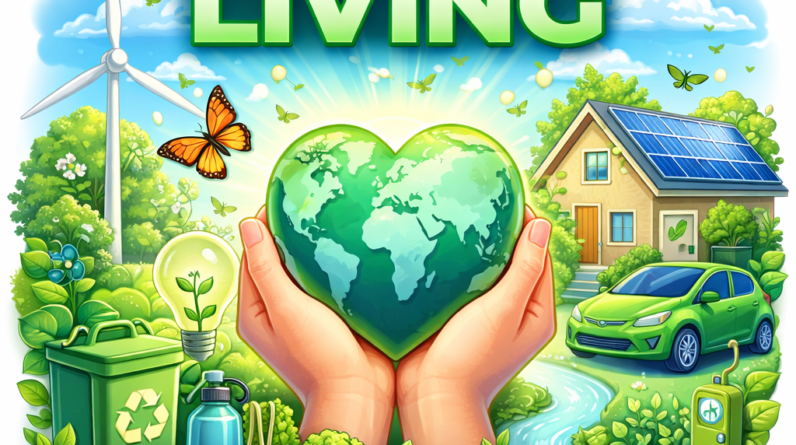
The way we live today leaves a footprint on the planet, and the size of that footprint depends on the choices we make every day. From the food we eat to the way we travel, small decisions add up to a collective impact that shapes the future of our environment. Recent reports show that global carbon emissions continue to rise, but they also highlight that individual actions can slow this trend. The good news is that living sustainably doesn’t require a complete lifestyle overhaul — it’s about making thoughtful swaps and building habits that align with the health of the planet.
Why Sustainable Living Matters More Than Ever
Climate change is no longer a distant threat; it’s affecting weather patterns, food security, and biodiversity right now. The Intergovernmental Panel on Climate Change warns that without significant reductions in greenhouse gas emissions, we risk crossing critical environmental thresholds. While governments and corporations must take large-scale action, individuals collectively wield enormous influence. Household consumption accounts for a significant share of global emissions, meaning that changes in daily habits can make a measurable difference. Sustainable living is not just about saving the planet — it’s about creating a healthier, more resilient world for ourselves and future generations.
Understanding Your Environmental Footprint
Before making changes, it helps to understand where your personal impact is greatest. The average person’s environmental footprint comes from several main areas: energy use at home, transportation, food consumption, and waste production. Energy use includes electricity, heating, and cooling, often powered by fossil fuels. Transportation emissions come from cars, planes, and public transit. Food choices affect land use, water consumption, and methane emissions, especially from meat and dairy. Waste, particularly plastic and food waste, contributes to pollution and greenhouse gases. By identifying which of these areas dominates your footprint, you can target your efforts where they’ll have the most impact.
Energy Use at Home
Home energy is one of the largest contributors to personal carbon emissions. Simple steps like switching to LED bulbs, unplugging devices when not in use, and using energy-efficient appliances can cut electricity use significantly. In colder months, sealing drafts and adding insulation reduces heating needs. In warmer months, using fans instead of air conditioning or setting the thermostat a few degrees higher can save energy. If possible, consider switching to a renewable energy provider or installing solar panels. Even small changes, like washing clothes in cold water, can add up over time.
Transportation Choices
Transportation is another major source of emissions. If you drive, consider carpooling, combining errands, or using public transit when possible. For shorter trips, walking or biking not only reduces emissions but also improves health. If you’re in the market for a new vehicle, electric or hybrid options are becoming more accessible and affordable. For air travel, which has a high carbon cost, try to limit flights, choose direct routes, and consider carbon offset programs when flying is necessary.
Food Choices That Support the Planet
What we eat has a profound impact on the environment. Meat and dairy production require vast amounts of land, water, and energy, and contribute heavily to methane emissions. Shifting toward a more plant-based diet — even if it’s just a few meals a week — can significantly reduce your food footprint. Focus on whole foods like vegetables, legumes, grains, and fruits, which generally require fewer resources to produce. Buying local and seasonal produce also cuts down on the emissions from transportation and storage. Reducing food waste is equally important: plan meals, store food properly, and compost scraps whenever possible.
Reducing Single-Use Plastics
Plastic pollution is one of the most visible environmental problems. Single-use plastics, like bags, bottles, and packaging, often end up in landfills or oceans, where they can take hundreds of years to break down. To reduce plastic use, carry a reusable water bottle, coffee cup, and shopping bags. Choose products with minimal or recyclable packaging, and support companies that prioritize sustainable materials. When plastic is unavoidable, make sure to recycle it properly according to local guidelines.
Building Sustainable Habits at Home
Sustainable living extends beyond energy and food to the products we buy and how we use them. Choose durable, high-quality items that last longer, reducing the need for frequent replacements. When shopping for clothes, opt for timeless styles and natural fibers, and consider buying second-hand. For household goods, look for eco-friendly certifications and avoid products with harmful chemicals. Repairing items instead of replacing them not only saves money but also reduces waste. Creating a home that values quality over quantity is a cornerstone of sustainable living.
Water Conservation
Water is a precious resource, and conserving it is a key part of sustainable living. Fix leaks promptly, install low-flow fixtures, and turn off the tap while brushing teeth or washing dishes. Collecting rainwater for gardening and choosing drought-resistant plants can also make a difference. Being mindful of water use not only helps the environment but can also lower utility bills.
Community and Collective Action
While individual actions are important, collective efforts amplify impact. Join local environmental groups, participate in community clean-ups, or support policies that promote sustainability. Sharing knowledge and resources with neighbors — like tool libraries or community gardens — builds resilience and reduces waste. Advocacy for green infrastructure, public transit, and renewable energy at the local level can lead to systemic change. Remember, sustainable living is not about perfection but progress, and every action counts.
Key Takeaways
- Focus on the biggest sources of your environmental footprint: energy, transportation, food, and waste.
- Make simple swaps at home, like using LED bulbs, conserving water, and reducing plastic use.
- Shift toward a more plant-based diet and reduce food waste to lower your food footprint.
- Choose durable, eco-friendly products and support companies with sustainable practices.
- Engage with your community to amplify your impact and advocate for broader change.
Sustainable living is a journey, not a destination. By making thoughtful choices and encouraging others to do the same, we can all contribute to a healthier planet. Every step, no matter how small, moves us closer to a more sustainable future.
