


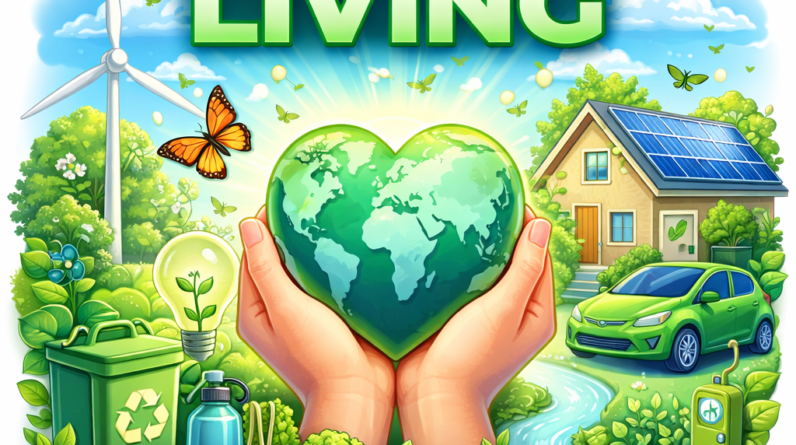
Climate change isn’t just a headline anymore—it’s the smoke in our skies, the heat in our summers, and the anxiety in our daily decisions. You’ve probably seen the headlines about record-breaking temperatures, devastating wildfires, and communities displaced by rising seas. The urgency is real, and while governments and corporations need to step up, individual actions still matter. In fact, they create the cultural shift that pressures larger systems to change. This article isn’t about guilt-tripping you into perfection—it’s about practical, achievable steps that fit into real life, even when you’re juggling work, family, and the chaos of modern living.
Why Your Daily Choices Create Ripples
Every purchase, every meal, every commute sends a signal through the economy. When enough people choose reusable bags, companies notice and adjust their packaging. When enough households install solar panels, energy companies invest in renewables. The cumulative effect of millions of small decisions creates market demand that drives systemic change. Think of it like voting—except you’re voting with your wallet, your habits, and your voice every single day.
The psychological barrier many face is thinking their impact is too small to matter. But consider this: if 100 people eliminate single-use plastics from their lives, that’s potentially thousands of pieces of waste prevented annually. Scale that to thousands or millions, and the math becomes undeniable. Your choices don’t exist in isolation—they inspire friends, family, and neighbors to follow suit.
Starting Where You Are: The Beginner’s Mindset
Sustainable living doesn’t require an overnight transformation or a complete lifestyle overhaul. The most successful transitions happen gradually, building habits that stick. Begin by auditing your current habits without judgment. What’s one thing you could change this week? Maybe it’s bringing a reusable water bottle instead of buying plastic ones, or meal planning to reduce food waste.
The key is starting with changes that feel manageable. If you drive everywhere, could you replace one short trip with walking or biking? If your grocery budget is tight, could you swap one conventional product for an organic alternative? Small wins build momentum and confidence, making bigger changes feel less daunting over time.
Building Your Personal Sustainability Framework
Instead of random eco-friendly actions, create a framework that aligns with your values and lifestyle. Ask yourself: What matters most to you? Is it reducing waste, protecting wildlife, supporting local economies, or something else? Your framework becomes your filter for decisions.
For example, if reducing waste is your priority, focus on the “5 Rs”: Refuse what you don’t need, reduce what you do need, reuse what you can, recycle properly, and rot (compost) the rest. If supporting local economies matters more, prioritize farmers’ markets, local artisans, and community-owned businesses. Your framework keeps you focused and prevents decision fatigue.
Practical Swaps That Actually Work
Not all sustainable swaps are created equal. Some require significant upfront investment, while others save money immediately. Here are swaps that balance impact with practicality:
- Switch to LED bulbs—they use 75% less energy and last years longer than incandescent bulbs.
- Install a low-flow showerhead—you’ll save water and reduce heating costs.
- Use cloth napkins instead of paper—they’re more elegant and eliminate constant repurchasing.
- Buy concentrated cleaning products—less packaging, same cleaning power.
- Choose products with minimal packaging—vote with your dollars for less waste.
The beauty of these swaps is they often pay for themselves quickly. LED bulbs might cost more initially, but the energy savings within months typically offset the price difference.
The Food Connection: Eating for the Planet
Your diet has one of the biggest environmental footprints of any daily choice. But this doesn’t mean you need to become vegan overnight. Start with meatless Mondays, or commit to one plant-based meal per day. Focus on reducing food waste—the average household throws away 30-40% of purchased food.
Buy seasonal produce when possible—it travels shorter distances and supports local farmers. Learn basic food preservation techniques like freezing, pickling, or fermenting to extend the life of fresh foods. Even small shifts in your eating habits compound into significant environmental benefits over time.
Transportation: Rethinking How You Move
Transportation accounts for nearly 30% of greenhouse gas emissions in many countries. While electric vehicles are becoming more accessible, they’re not the only solution. Could you work from home one day per week? Could you combine errands into fewer trips? Could you walk or bike for trips under two miles?
Public transportation, carpooling, and even choosing to live closer to work can dramatically reduce your carbon footprint. The goal isn’t to eliminate all car use immediately, but to be intentional about when and how you travel.
Energy Use: Small Changes, Big Savings
Heating and cooling typically account for the largest portion of home energy use. Simple fixes like sealing drafts, using programmable thermostats, and maintaining your HVAC system can cut energy bills by 10-30%. Wash clothes in cold water—modern detergents work just as well, and you’ll save on water heating costs.
Unplug electronics when not in use, or use smart power strips that cut power to devices in standby mode. These “vampire loads” can account for 5-10% of your electricity bill. Small habits, consistently applied, create meaningful savings.
Creating a Support System for Lasting Change
Sustainable living is easier with community support. Join local environmental groups, participate in community gardens, or start a neighborhood composting initiative. Share resources with friends—tool libraries, skill-sharing workshops, or bulk buying groups reduce individual consumption while building connections.
Follow sustainability-focused social media accounts for inspiration and practical tips. The online community can provide accountability and creative solutions you might not discover alone. Remember, you’re not in this alone—millions of people are making similar changes, and together, the impact is transformative.
Key Takeaways
Start small and build gradually—choose one or two changes that feel manageable right now. Create a personal framework based on your values to guide decisions. Focus on swaps that save money or improve your quality of life, making sustainability feel rewarding rather than restrictive. Remember that your choices create ripple effects beyond your immediate impact. Most importantly, connect with others on this journey—community makes sustainable living more achievable and enjoyable.
The path to sustainable living isn’t about perfection—it’s about progress. Every conscious choice matters, and together, we’re building the future we want to see. Your actions today plant seeds for tomorrow’s healthier planet.
