


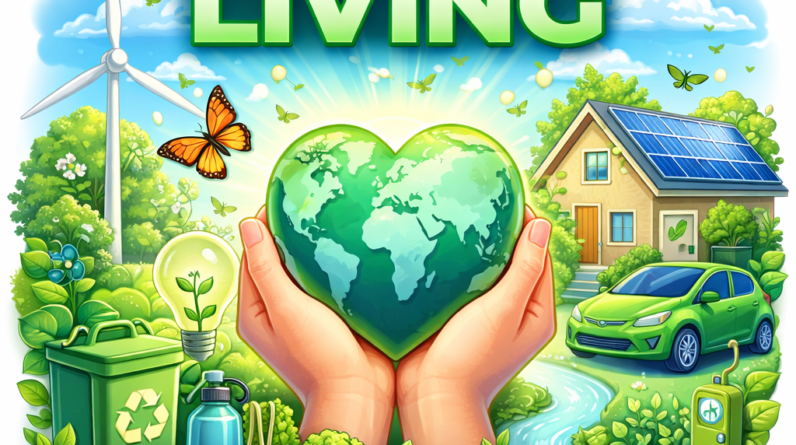
Living sustainably isn’t about achieving perfection or making dramatic overnight changes. It’s about making thoughtful choices that align with your values and gradually building habits that reduce your environmental impact. The beauty of sustainable living is that small, consistent actions add up to meaningful change—both for the planet and for your own quality of life.
Why Sustainable Living Matters More Than Ever
The urgency of environmental challenges has never been clearer. Climate change, plastic pollution, and resource depletion affect everyone, but they also create opportunities for positive change. When you adopt sustainable practices, you’re not just reducing your carbon footprint—you’re joining a global movement that’s reshaping how we think about consumption, waste, and our relationship with nature.
What makes sustainable living particularly powerful is that it often leads to unexpected benefits. Many eco-friendly choices save money, improve health, and create more meaningful connections with your community. It’s not about sacrifice; it’s about making smarter choices that enhance your life while protecting the environment.
The Hidden Impact of Everyday Choices
Most people don’t realize how much their daily routines affect the environment. Your morning coffee, the clothes you wear, the way you commute, and even your digital habits all leave an environmental footprint. The good news is that awareness is the first step toward change, and many of these impacts are surprisingly easy to reduce.
Consider your digital life for a moment. Streaming videos, storing files in the cloud, and constantly updating devices all require energy. Data centers consume enormous amounts of electricity, and the devices themselves require rare earth metals and create e-waste. By being mindful about your digital consumption—like downloading instead of streaming repeatedly or keeping devices longer—you can significantly reduce your environmental impact without changing your lifestyle dramatically.
The Ripple Effect of Conscious Consumption
Every purchase you make sends a message about what kind of world you want to live in. When you choose products from companies that prioritize sustainability, you’re voting with your wallet for environmental responsibility. This consumer power has already influenced many businesses to adopt greener practices, creating a positive feedback loop that benefits everyone.
Conscious consumption isn’t just about buying eco-friendly products—it’s about buying less overall. The most sustainable item is often the one you already own. Before making a purchase, ask yourself if you truly need it, if you can borrow or rent it instead, or if there’s a secondhand option available. This mindset shift alone can dramatically reduce your environmental impact while saving you money.
Building Sustainable Habits That Stick
The key to lasting change is starting small and building momentum. Trying to overhaul your entire lifestyle at once usually leads to burnout. Instead, focus on one or two areas where you can make the biggest impact, master those changes, and then gradually expand your sustainable practices.
Begin with changes that are easy to implement and provide immediate benefits. For example, switching to reusable shopping bags eliminates plastic waste and often makes shopping more convenient. Installing a water-efficient showerhead reduces both water consumption and utility bills. These quick wins build confidence and create positive associations with sustainable living.
Creating an Eco-Friendly Home Environment
Your home is the perfect place to start your sustainability journey because you have the most control there. Simple changes like switching to LED light bulbs, using natural cleaning products, and improving insulation can significantly reduce your environmental impact while making your living space healthier and more comfortable.
Consider your energy consumption patterns. Many electronics continue drawing power even when turned off—a phenomenon called “phantom load.” Using power strips to completely cut power to devices when not in use can reduce your electricity consumption by up to 10%. Similarly, adjusting your thermostat by just a few degrees can save energy without sacrificing comfort.
Transportation and Mobility Choices
How you get around has a massive impact on your carbon footprint. While not everyone can switch to electric vehicles or live car-free, there are many ways to make your transportation more sustainable. Combining errands to reduce trips, carpooling when possible, and choosing walking or cycling for short distances all add up to significant reductions in emissions.
Public transportation is often overlooked but can be one of the most effective ways to reduce your environmental impact. A single bus can replace dozens of car trips, and trains are among the most energy-efficient forms of transportation. Even using public transit occasionally instead of driving can make a meaningful difference.
The Power of Plant-Based Eating
Food choices represent one of the biggest opportunities for sustainable living. The production of meat and dairy requires significantly more resources than plant-based foods, and animal agriculture is a major contributor to greenhouse gas emissions. You don’t need to become vegetarian or vegan to make a difference—simply reducing meat consumption a few days per week can have a substantial impact.
Focus on adding more plant-based meals rather than restricting yourself. Explore new recipes, try different cuisines that traditionally emphasize vegetables, and gradually shift your eating habits. Many people find that plant-based eating not only reduces their environmental impact but also improves their health and introduces them to delicious new foods.
Community and Collective Action
While individual actions matter, collective efforts amplify your impact exponentially. Getting involved in local environmental initiatives, joining community gardens, or participating in neighborhood cleanup events connects you with like-minded people and creates broader change. These activities also build social connections that make sustainable living more enjoyable and sustainable long-term.
Share your journey with friends and family. When people see you successfully adopting sustainable practices, they’re more likely to try them too. Create a support network where you can exchange tips, celebrate successes, and encourage each other through challenges. Remember, you’re not alone in this—millions of people worldwide are working toward the same goals.
Measuring Progress and Staying Motivated
Tracking your progress helps maintain motivation and identify areas for improvement. Keep a simple journal of your sustainable actions, use apps that calculate your carbon footprint, or simply notice how your habits evolve over time. Celebrate your successes, no matter how small, and be patient with yourself during setbacks.
Remember that sustainable living is a journey, not a destination. There will be times when convenience wins out, and that’s okay. What matters is your overall trajectory and commitment to continuous improvement. Each sustainable choice you make contributes to a larger movement toward environmental responsibility.
Key Takeaways
- Start with small, manageable changes that provide immediate benefits and build momentum
- Be mindful of your digital consumption—streaming and cloud storage have hidden environmental costs
- Focus on conscious consumption by buying less and choosing sustainable options when you do purchase
- Make your home more eco-friendly through simple changes like LED bulbs and power strips
- Reduce meat consumption gradually—even a few plant-based meals per week make a difference
- Get involved in your community to amplify your impact and stay motivated
- Track your progress and celebrate successes to maintain long-term commitment
