


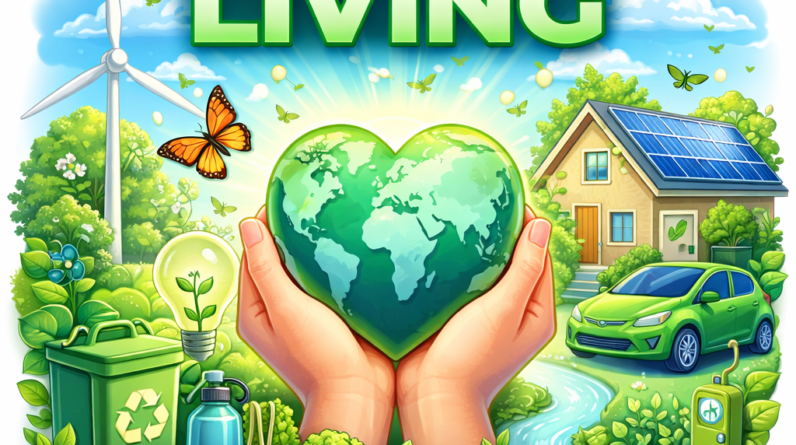
The Power of Collective Action: How Small Sustainable Choices Create Big Change
When we think about living sustainably, it’s easy to feel overwhelmed by the scale of environmental challenges. Melting ice caps, raging wildfires, and plastic-choked oceans make individual actions seem insignificant. But here’s the truth: every sustainable choice you make sends ripples through your community, creating momentum that transforms into meaningful change.
Research from social scientists shows that when people observe their neighbors adopting eco-friendly habits—whether it’s composting, using reusable bags, or installing solar panels—they become significantly more likely to adopt those same behaviors themselves. This “behavioral contagion” effect means your individual actions don’t just reduce your personal carbon footprint; they inspire others to follow suit.
Consider this: if just 25% of a population adopts a new sustainable practice, it can trigger a tipping point where the majority begins to follow. That’s because humans are inherently social creatures who look to others for cues about appropriate behavior. When you make visible sustainable choices, you’re essentially giving your community permission to do the same.
The Psychology of Sustainable Living
Understanding why sustainable living matters to you personally can be the difference between giving up when it gets challenging and staying committed for the long haul. Are you motivated by protecting future generations? Preserving biodiversity? Reducing pollution in your local community? Identifying your “why” creates emotional resilience when convenience tempts you to abandon your goals.
Studies in behavioral psychology reveal that people who connect their sustainable choices to personal values are three times more likely to maintain those habits over time. It’s not just about knowing what to do—it’s about understanding why it matters to you specifically.
Another crucial insight: sustainable living isn’t about perfection. The all-or-nothing mindset is actually one of the biggest barriers to entry. You don’t need to go zero-waste overnight or install solar panels immediately. Start where you are, use what you have, and build momentum gradually.
Creating Your Personal Sustainability Roadmap
Instead of trying to tackle every environmental issue at once, focus on areas where you can make the most impact with the least resistance. This approach, called “targeted sustainability,” helps you build confidence and avoid burnout.
Begin by examining your daily routines. Where do you create the most waste? What energy sources power your home? How do you typically get around? These questions reveal your biggest opportunities for improvement.
For many people, food waste represents the lowest-hanging fruit. The average household throws away nearly 25% of the food they purchase, which translates to both wasted money and unnecessary methane emissions from landfills. Simple strategies like meal planning, proper food storage, and creative use of leftovers can cut your food waste by half or more.
Transportation often represents another major impact area. Could you replace some car trips with walking, biking, or public transit? Even committing to one “car-free day” per week can significantly reduce your carbon footprint while saving money on fuel and parking.
Building Sustainable Habits That Stick
The key to lasting change isn’t willpower—it’s designing your environment to make sustainable choices the easiest options. This concept, known as “choice architecture,” can dramatically increase your success rate.
Place reusable bags by your front door so you never forget them. Keep a water bottle on your desk. Position your recycling bin where it’s more convenient than the trash can. These small environmental tweaks eliminate the need for constant decision-making.
Another powerful strategy is habit stacking—attaching new sustainable behaviors to existing routines. For example, while waiting for your morning coffee to brew, you could check your refrigerator for items that need using up. Or when you finish your workday, you could take a few minutes to plan tomorrow’s meals, reducing the likelihood of food waste.
Track your progress visually. Whether it’s marking days on a calendar when you successfully avoided single-use plastics or keeping a tally of money saved through energy conservation, seeing your cumulative impact provides powerful motivation to continue.
The Community Multiplier Effect
Your individual actions gain exponential power when shared with others. Start conversations about sustainable living with friends, family, and colleagues. Share your successes and challenges honestly—people connect more with authentic experiences than perfect presentations.
Consider organizing neighborhood initiatives like tool-sharing libraries, community gardens, or group purchases of sustainable products to reduce costs. These collaborative efforts not only increase impact but also build the social connections that make sustainable living more enjoyable and sustainable over time.
Local businesses respond to community demand. When enough people ask for package-free options or locally sourced products, stores adapt their offerings. Your voice, combined with others, creates market pressure that drives broader change.
Remember that sustainable living isn’t about deprivation—it’s about creating a life that aligns with your values while often saving money and improving quality of life. Many people find that reducing consumption and focusing on experiences rather than things leads to greater happiness and satisfaction.
The environmental challenges we face are real and urgent, but so is the power of collective human action. By making sustainable choices visible and sharing your journey with others, you become part of a growing movement that’s already creating positive change. Your actions matter more than you realize—not just for their direct impact, but for the inspiration they provide to everyone around you.
Key Takeaways
- Individual sustainable choices create ripple effects through social networks, inspiring others to adopt similar practices
- Focus on high-impact areas aligned with your lifestyle rather than trying to change everything at once
- Design your environment to make sustainable choices the easiest options, eliminating reliance on willpower
- Share your sustainable living journey authentically to multiply your impact through community influence
- Remember that sustainable living is about progress, not perfection—every positive choice matters
