


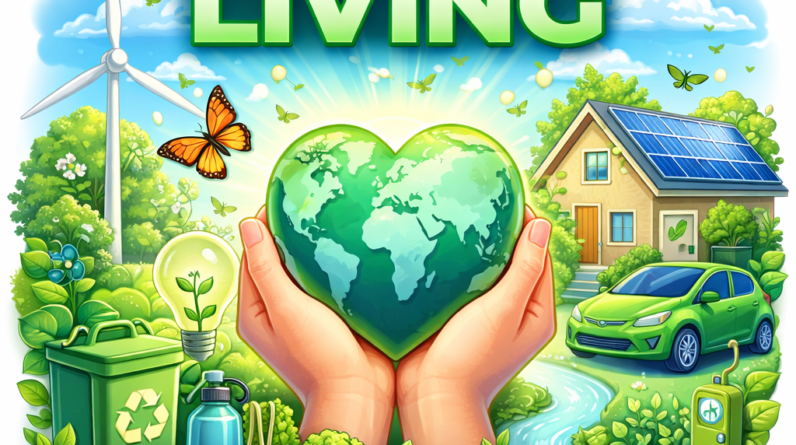
Beyond the Basics: Sustainable Living That Actually Sticks
Let’s be honest—most of us have already swapped plastic bags for reusable totes and maybe even started composting. But sustainable living isn’t about checking boxes; it’s about creating lasting habits that genuinely reduce your environmental impact. The challenge isn’t knowing what to do; it’s making these changes stick when life gets busy, expensive, or just plain overwhelming.
The truth is, the most effective sustainable practices are often the ones nobody talks about. They’re not Instagram-worthy zero-waste pantries or perfectly curated capsule wardrobes. They’re the unglamorous, unsexy choices that actually move the needle on your carbon footprint. This article explores those overlooked strategies—the ones that work because they’re realistic, affordable, and sustainable in the truest sense: you can maintain them long-term.
The Myth of Perfect Sustainability
Before diving into specific strategies, let’s address the elephant in the room: you don’t need to be perfect to make a difference. The pressure to achieve some idealized version of eco-friendly living often leads to burnout and abandonment of good habits. A family that remembers to bring reusable bags to the grocery store 70% of the time is doing more good than a family that tries to be perfect, fails, and gives up entirely.
Think of sustainable living like learning a language. You wouldn’t expect to become fluent overnight, yet we often approach environmental consciousness with an all-or-nothing mindset. Start with what’s manageable, build gradually, and celebrate progress over perfection.
The Overlooked Power of Maintenance
One of the most impactful yet ignored aspects of sustainable living is simply maintaining what you already own. The environmental cost of manufacturing new items far exceeds the impact of keeping existing ones in good condition. This applies to everything from clothing to appliances to furniture.
Repair Over Replace
Learning basic repair skills can dramatically extend the life of your possessions. A sewing kit for mending clothes, basic tools for furniture repair, or even just knowing which local businesses offer repair services can save money and reduce waste. The satisfaction of fixing something yourself also creates a deeper connection to your belongings, making you less likely to replace them impulsively.
The Art of Proper Care
Many items fail prematurely due to improper care rather than actual wear and tear. Reading care labels, following maintenance schedules, and storing items correctly can double or triple their lifespan. This applies to everything from cast iron cookware to winter coats to electronic devices. The energy and resources saved by not replacing these items repeatedly add up significantly over time.
Community-Based Sustainability
Individual actions matter, but community efforts multiply impact exponentially. The most successful sustainable practices often emerge from collective action rather than individual effort.
Skill Sharing Networks
Create or join local groups where people share skills related to sustainable living. One person might know how to preserve food, another might be great at basic carpentry, and someone else might have expertise in natural cleaning products. These skill exchanges build community while spreading practical knowledge that makes sustainable choices more accessible.
Bulk Buying Cooperatives
Organizing group purchases of bulk items reduces packaging waste and often saves money. This works particularly well for non-perishable goods, cleaning supplies, and even certain types of produce. The coordination takes effort, but the environmental and financial benefits make it worthwhile for committed groups.
The Hidden Impact of Digital Habits
While much attention focuses on physical consumption, our digital activities have a surprisingly large environmental footprint. Data centers consume enormous amounts of energy, and the constant cycle of upgrading devices creates significant e-waste.
Digital Decluttering
Regularly cleaning up digital files, unsubscribing from unnecessary emails, and deleting old photos you don’t need reduces the energy required to store this data. Cloud storage isn’t ethereal—it requires physical servers running 24/7. A quarterly digital cleanup can meaningfully reduce your digital carbon footprint.
Device Longevity Strategies
Instead of upgrading devices every year or two, aim to use them for their full functional lifespan. This might mean replacing batteries rather than entire phones, using protective cases, or learning basic troubleshooting. The embodied energy in manufacturing electronics means that keeping a device for an extra year often has more impact than many other sustainable choices combined.
Food Waste: The Silent Environmental Killer
While discussions about sustainable eating often focus on plant-based diets, food waste might be an even bigger issue. Roughly one-third of all food produced globally is wasted, and this waste accounts for about 8% of global greenhouse gas emissions.
Strategic Meal Planning
The most effective food waste reduction starts before you even go shopping. Plan meals around what you already have, make detailed shopping lists, and be realistic about portion sizes. This isn’t about rigid meal prep—it’s about mindful planning that prevents overbuying and subsequent waste.
The Freezer as a Sustainability Tool
Your freezer is probably your most underutilized sustainability tool. Almost anything can be frozen before it spoils—bread, herbs, cooked grains, even milk. Learning what freezes well and how to properly store frozen items can dramatically reduce household food waste without requiring major lifestyle changes.
Transportation Beyond the Obvious
While electric vehicles and public transit get most of the attention, there are numerous overlooked transportation strategies that can significantly reduce your carbon footprint.
The Power of Trip Chaining
Combining multiple errands into single trips reduces overall driving distance and fuel consumption. This requires some planning but becomes second nature quickly. The key is thinking about your weekly schedule holistically rather than as a series of isolated tasks.
Maintenance for Efficiency
Proper vehicle maintenance—keeping tires properly inflated, regular oil changes, removing excess weight—can improve fuel efficiency by 10-15%. These small actions compound over time and cost far less than purchasing a new, more efficient vehicle.
Water Wisdom
Water conservation often focuses on obvious measures like shorter showers, but there are numerous subtle ways to reduce water waste that add up significantly.
Appliance Efficiency
Running full loads in dishwashers and washing machines is more water-efficient than hand washing, contrary to popular belief. The key is maximizing each cycle’s efficiency rather than avoiding these appliances altogether.
Leak Detection
A single dripping faucet can waste thousands of gallons annually. Regular checks for leaks in toilets, pipes, and appliances prevent this silent waste. Many leaks are easy to fix with basic tools and online tutorials.
Making It Stick: The Psychology of Sustainable Habits
The difference between sustainable practices that last and those that fade often comes down to psychology rather than practicality.
Start Small, Build Momentum
Choose one or two changes that feel genuinely manageable rather than overhauling your entire lifestyle at once. Success breeds success—each small victory builds confidence for bigger changes later.
Track What Matters to You
Whether it’s money saved, waste reduced, or simply the satisfaction of doing better, find a way to measure your progress that resonates with you. This creates positive reinforcement that helps habits stick.
Key Takeaways
Sustainable living isn’t about perfection or following trends—it’s about making realistic changes that you can maintain long-term. Focus on maintenance over constant consumption, leverage community resources, address digital habits, tackle food waste strategically, optimize transportation efficiency, conserve water mindfully, and build habits gradually. The most impactful changes are often the ones that feel least revolutionary but become part of your daily routine. Remember: consistency beats intensity every time when it comes to environmental impact.
